Efficient Home Improvements to Prevent Water Damage and Flooding
When it comes to home maintenance, few forces are as persistent or as potentially destructive as water. Whether it arrives in the form of a sudden flash flood, a slow-moving seasonal thaw, or a hidden plumbing failure, water has the unique ability to compromise the structural integrity and value of a property. Achieving an efficient, dry home requires a shift in perspective—from a reactive “patch-and-repair” mindset to a proactive strategy of fortification. This guide explores the most effective home improvements that not only safeguard your investment but also optimize the efficiency of your building’s systems, ensuring long-term peace of mind and financial savings.
Efficiency, in the context of moisture management, means creating a seamless barrier that prevents intrusion while allowing the home to vent humidity correctly. A house that is properly defended against water is easier to heat and cool, less prone to pest infestations, and free from the health risks associated with mold and mildew. By taking a holistic approach to your property—from the peak of the roof to the depths of the foundation—you can build a resilient environment that withstands the elements for decades to come.
Strengthening the Overhead Shield
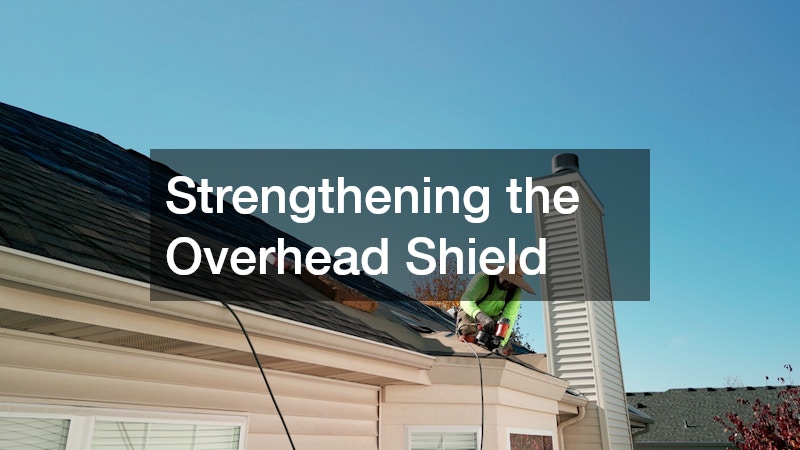
The roof is undoubtedly the most critical component of your home’s defense system. It is the primary barrier against precipitation, and its performance dictates the health of everything beneath it. However, a roof is more than just shingles; it is a complex assembly of ventilation, underlayment, and drainage. When this system fails, the resulting damage can migrate into the attic insulation, down the wall cavities, and into the electrical systems.
To ensure maximum efficiency, homeowners should look beyond surface-level repairs. High-performance shingles are a start, but the real protection lies in the details—the drip edges, the flashing around chimneys, and the quality of the installation. When you are looking to upgrade, it is vital to consult with professional roofers who understand the specific climate challenges of your region. Unlike a general handyman, dedicated roofing companies have access to commercial-grade materials and warranties that ensure your overhead shield remains impenetrable during severe wind-driven rain or heavy snow loads.
Actionable Roofing Upgrades:
- Install Synthetic Underlayment: Modern synthetic materials provide a much higher tear strength and moisture resistance than traditional felt paper, acting as a secondary waterproof layer if a shingle is lost.
- Optimizing Attic Ventilation: Balanced intake and exhaust vents prevent heat buildup in the summer and ice dams in the winter, both of which can lead to moisture intrusion.
- Reinforcing the Drip Edge: A sturdy metal drip edge ensures that water is directed away from the fascia and into the gutters, preventing wood rot at the roof’s edge.
- Flashing Inspection: Use high-quality metal flashing in valleys and around penetrations, as these are the most common points of failure during heavy downpours.
- Skylight Maintenance: Check and replace worn seals around skylights every five years to prevent condensation and structural leaks.
- Gutter Guard Installation: Use high-quality micro-mesh guards to keep debris out of the drainage system, ensuring water flows freely during sudden cloudbursts.
- Chimney Cricket Installation: For wider chimneys, have a “cricket” or peaked diversion roof built behind the chimney to prevent water and debris from pooling against the masonry.
- Soffit Vent Cleaning: Ensure that soffit vents are free of paint or insulation blockages to maintain the airflow necessary to keep roof decking dry and prevent rot.
Protecting the Building Envelope
While the roof takes the brunt of the vertical pressure, the walls of your home are vulnerable to lateral moisture intrusion. The “building envelope” refers to the entire exterior shell of the structure. If this shell is compromised, moisture can get trapped between the siding and the framing, leading to “silent rot” that is often not discovered until structural damage has occurred. Achieving efficiency here requires high-quality materials and precision in construction.
Selecting the right exterior finishes is a critical decision. You want materials that provide a durable aesthetic while functioning as a rainscreen. Consulting with reputable siding suppliers can help you identify products like fiber cement or engineered wood that offer superior water resistance compared to basic vinyl. Furthermore, if you are expanding your living space, choosing a qualified home addition contractor is essential. A professional will ensure that the new structure’s moisture barrier is perfectly integrated with the existing home, preventing leaks at the transition points where two different roofs or walls meet.
Actionable Exterior Tips:
- Maintain Proper House Wrap: Ensure a high-quality, breathable moisture barrier is installed behind the siding to allow interior vapor to escape while blocking exterior liquid water.
- Seal Window and Door Penetrations: Use premium window flashing tapes and high-grade exterior caulk to create an airtight and watertight seal around every opening.
- Kick-out Flashing: Install kick-out flashing where a roofline meets a vertical wall to ensure water is diverted into the gutter and not behind the siding.
- Gutter Downspout Extensions: Direct all roof runoff at least 10 feet away from the foundation using underground piping or splash block extensions.
- Permeable Paving: Use porous materials for walkways and driveways to allow rainwater to soak into the ground rather than sheeting toward the house.
- Foundation Plantings: Avoid planting shrubs too close to the siding to ensure adequate airflow and prevent the buildup of damp pockets against the walls.
Fortifying the Foundation and Lower Levels
The basement or crawlspace is often the site of the most significant water-related damage. Because these areas are below grade, they are subjected to constant hydrostatic pressure from the surrounding soil. When the ground becomes saturated, water is pushed through even the smallest cracks in the concrete. Protecting these lower levels is not just about keeping the floor dry; it’s about maintaining the stability of the entire foundation.
For many homes, a simple interior sealant is not enough. To truly stop the threat, you may need to engage a professional basement waterproofing company to install an exterior drainage system or an interior French drain. These systems manage the water pressure by giving the moisture a path of least resistance into a sump pit. In the event that a flood does occur, rapid water mitigation is necessary to dry out materials and prevent the growth of mold. Proactive upgrades in this area are significantly less expensive than the costs associated with structural repair and mold cleanup.
Sub-Surface Defense Strategies:
- Positive Soil Grading: Ensure the ground around your home slopes away at a rate of at least one inch per foot for the first six feet to naturally divert surface water.
- Sump Pump Redundancy: Install a primary pump with a high-capacity battery backup pump to ensure operation during power outages, which often occur during storms.
- Vapor Barrier Installation: In crawlspaces, cover the earth with a 20-mil plastic vapor barrier and seal it to the walls to prevent moisture from rising into the subfloor.
- Crack Injection: Use epoxy or polyurethane injections to seal foundation cracks from the inside, preventing water migration through the concrete.
- Window Well Covers: Install sloped, clear covers over basement window wells to prevent them from acting as collection basins for rain.
- Crawlspace Encapsulation: Seal all vents and install a dedicated dehumidifier in crawlspaces to eliminate the risk of summer condensation and wood-boring pest attraction.
Managing Private Water and Waste Systems
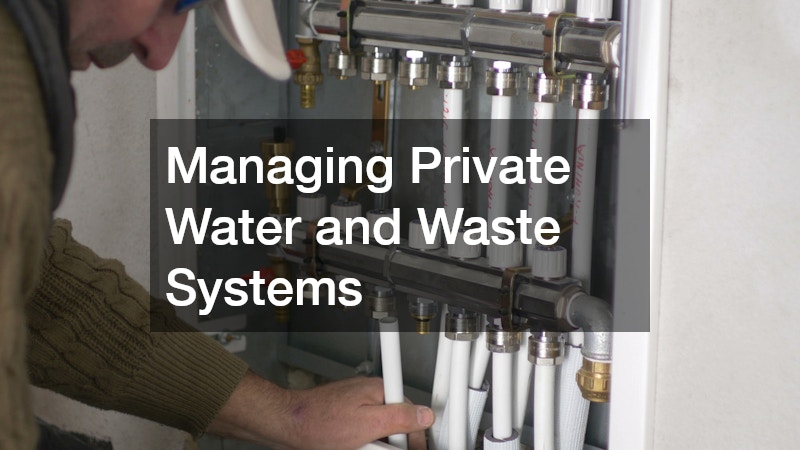
For homes not connected to municipal utilities, the management of well and septic systems is a vital part of the water management strategy. These systems are highly efficient when maintained but can cause massive interior flooding or environmental contamination if they fail. Because these systems are largely hidden underground, regular maintenance is the only way to ensure they are operating safely.
A well pump that is straining to maintain pressure can eventually burn out or cause surges that stress the home’s plumbing. If you notice sputtering faucets or a cycling pump, you should seek well pump repair immediately to prevent a total loss of water or a sudden pipe burst. Similarly, the septic system requires careful oversight. Neglecting septic tank pumping can lead to solids entering the drain field, causing a backup into the home’s lowest drains. By managing these systems proactively, you maintain the “flow efficiency” of your property and avoid the hazardous mess of a sewage backup.
Private Utility Maintenance Tips:
- Annual Septic Inspection: Have a professional check the sludge levels in your tank every year to determine the exact timing for the next pump-out.
- Protect the Drain Field: Never drive heavy vehicles over the septic area, as soil compaction can prevent the natural filtration of wastewater.
- Well Head Protection: Ensure the well cap is securely sealed and that the ground around the well head is graded to prevent surface runoff from contaminating the aquifer.
- Pressure Tank Tuning: Check the air pressure in your well’s expansion tank annually to prevent the pump from “short-cycling.”
- Septic Alarm Installation: Install a high-water alarm in your septic tank to provide early warning of potential backups before they reach your indoor plumbing.
- Shock Chlorination: Perform a routine sanitization of your well system annually to ensure that surface water infiltration hasn’t introduced harmful bacteria.
- Pitless Adapter Check: Have your pitless adapter inspected for leaks to prevent untreated surface water from leaking into the well casing and straining your pump.
Internal Plumbing and Smart Technology
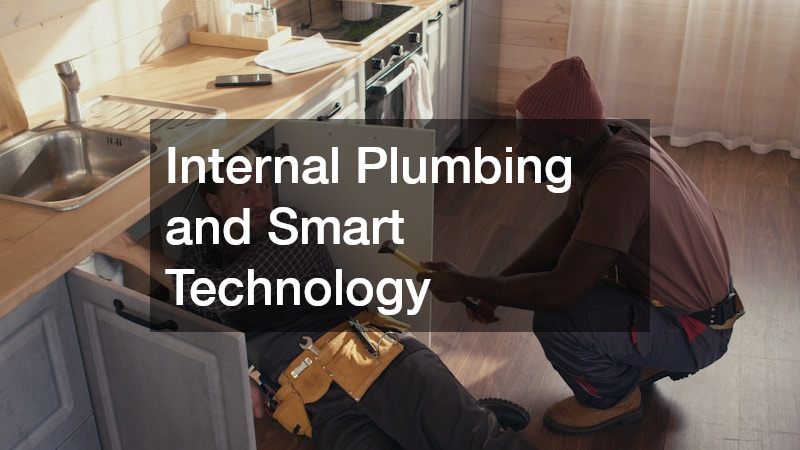
The final layer of water defense exists within the walls. Internal leaks—whether from a burst pipe, a leaking water heater, or a loose fixture—account for a massive percentage of home insurance claims. Modern technology now allows homeowners to monitor their plumbing with the same precision they use to monitor their home security. Efficiency in plumbing means zero tolerance for drips and the use of high-quality components.
One of the most overlooked components in plumbing is the integrity of the joints. In high-pressure areas or large-scale renovations, ensuring a perfect seal on a flange pipe fitting can prevent the slow, hidden leaks that eventually rot out subfloors. Furthermore, the chemistry of your water matters. Hard water or acidic water can eat away at copper and PEX pipes from the inside out. Consulting with a water specialist to analyze your water quality can help you determine if you need a softening or neutralizing system to protect your internal infrastructure. These professional audits are the key to extending the life of your appliances and plumbing.
Actionable Internal Plumbing Tips:
- Smart Water Shut-off Valves: Install an automated shut-off valve on your main line that can detect unusual flow patterns and kill the water supply via a smartphone app.
- Replace Rubber Hoses: Swap out rubber washing machine and toilet supply lines with braided stainless steel hoses, which are far less likely to burst.
- Water Heater Maintenance: Flush your water heater annually to remove sediment and check the pressure relief valve to prevent tank failure.
- Point-of-Use Sensors: Place small, inexpensive battery-operated leak sensors under every sink, dishwasher, and refrigerator with an ice maker.
- Pressure Reducing Valves: Install a PRV if your home’s intake pressure exceeds 80 PSI to prevent constant stress on pipe joints and faucet seals.
- Thermal Expansion Tanks: Add an expansion tank to your water heater setup to absorb pressure surges caused by heating water in a closed system.
The journey toward a water-resilient home is one of continuous improvement and vigilance. By addressing the vulnerabilities of your roof, exterior walls, foundation, and internal systems, you create a comprehensive defense that pays dividends in both comfort and cost-savings. Efficiency in water management is not just about stopping a flood; it is about creating an environment where the systems work in harmony to shed moisture, regulate humidity, and provide a safe, dry haven for your family.
As you plan your next series of home improvements, remember that every dollar spent on prevention is a hundred dollars saved on restoration. From the precision of your plumbing joints to the slope of your backyard, every detail contributes to the overall health of your property. Start with a thorough audit of your home today, identifying the low-hanging fruit like gutter extensions and smart sensors, and work toward the larger structural fortifications. With the right strategy and a commitment to quality, your home will remain a dry, efficient, and valuable asset for generations to come.