10 Simple Energy-Efficient Upgrades That Make a Real Difference
Improving your home’s energy efficiency doesn’t always require a major renovation or costly upgrades. In fact, many small, intentional changes can have a significant impact on your energy bills, comfort, and overall home performance. From plumbing and electrical systems to insulation, roofing, and water management, every part of your home plays a role in how efficiently it uses energy. Understanding how these systems work and where energy is being wasted is the first step toward making meaningful improvements.
By taking a holistic approach, homeowners can identify both simple fixes and long-term solutions that make a measurable difference. Even small changes, such as sealing leaks, insulating water heaters, or optimizing electrical systems, can reduce energy use without requiring a large upfront investment. These upgrades not only help save money on utilities but also increase comfort, prevent damage, and extend the life of your home’s infrastructure.
This guide will explore ten practical energy efficiency upgrades that can significantly improve your home. Each section will focus on one area of home maintenance or improvement and explain how making targeted upgrades or repairs can conserve energy, reduce waste, and ultimately create a more sustainable living environment. From septic pumping services to local screen repair companies, each tip provides actionable advice for homeowners looking to make their homes more energy-savvy.
Maintaining Your Home’s Waste Systems for Better Efficiency
A well-functioning septic system is essential for home efficiency and long-term cost savings. Neglecting your septic system can lead to blockages, leaks, or overflow, which not only damage your property but can also force connected systems like pumps and water heaters to work harder, consuming more energy. Regular septic pumping service visits can ensure that your system remains clean and fully operational, preventing these energy-draining issues.
Proper maintenance of your septic tank also protects plumbing fixtures and appliances that rely on efficient wastewater management. When a septic system is clogged, wastewater may back up into sinks, toilets, and appliances, causing them to operate less efficiently. Even a small obstruction can increase the workload for your home’s systems, leading to higher energy usage and unnecessary wear and tear.
Scheduling routine pumping and inspections allows homeowners to catch potential problems before they escalate. Beyond energy savings, a well-maintained septic system reduces odors, prevents property damage, and extends the life of the system itself. Taking the time to care for your septic tank is a simple but highly effective way to improve home energy efficiency.
Reducing Energy Waste With Proper Utility Management
Energy and water losses often occur through poorly maintained or outdated underground utilities. These systems, which include electrical lines, water mains, and gas pipelines, are critical to your home’s daily operations. Consulting professionals experienced in underground utilities ensures that these systems are correctly installed, mapped, and maintained, preventing energy loss caused by leaks or faulty connections.
Leaks or damage in underground lines can force your home to consume extra energy to maintain temperature, pressure, or a consistent supply. For example, a small gas leak might cause a heating system to operate less efficiently, while water line issues may increase the energy needed to pump or heat water. Ensuring that these systems are properly inspected and maintained can prevent such energy waste.
In addition to conserving energy, well-managed utilities improve safety and prevent costly emergency repairs. Regular monitoring and maintenance of underground lines protect your home from structural damage, interruptions in service, and potential hazards. By investing in underground utility upkeep, homeowners enhance both energy efficiency and overall home reliability.
Optimizing Plumbing Systems to Conserve Water and Energy
Efficient plumbing is a cornerstone of energy-conscious home design. Leaky pipes, outdated fixtures, or poorly installed systems increase water usage and force water heaters and pumps to work harder, which translates to higher energy bills. A skilled local plumber can inspect your plumbing, identify inefficiencies, and recommend targeted upgrades that save both water and energy.
Simple upgrades such as low-flow faucets, aerators, and water-saving showerheads can reduce water usage dramatically while keeping comfort levels high. Insulating hot water pipes is another straightforward method to prevent heat loss, allowing water to reach desired temperatures more quickly and reducing energy consumption. Additionally, repairing leaks immediately prevents both water and energy waste.
Regular maintenance with a plumber also ensures that your home’s water pressure and flow are consistent, avoiding unnecessary strain on appliances. By addressing plumbing inefficiencies, you not only conserve energy but also prevent long-term damage to your home’s infrastructure. These small but important improvements add up to measurable energy savings over time.
Enhancing Hot Water Efficiency Without Upgrading Equipment
Water heating is often one of the largest contributors to a household’s energy usage. Many homeowners assume that replacing the water heater is the only solution, but targeted water heater repair can improve efficiency without a full replacement. Professional repairs can address common issues like sediment buildup, malfunctioning thermostats, or leaks that reduce heating efficiency.
Flushing the tank periodically removes sediment that impedes heat transfer, allowing the water heater to operate more efficiently. Fixing leaks prevents wasted hot water and reduces the energy required to maintain proper temperatures. Even minor adjustments, such as lowering the thermostat by a few degrees or installing a timer, can make a noticeable difference in energy use.
Pairing these repairs with simple insulation strategies, such as applying thermal insulation wraps to tanks and pipes, further enhances efficiency. By optimizing your existing system, you can reduce energy consumption, lower utility costs, and ensure a consistent supply of hot water, all without investing in a new water heater.
Reducing Energy Consumption With Smart Electrical Solutions
Electricity is a major component of household energy use, and inefficient systems can lead to unnecessary waste. Outdated wiring, older appliances, and unmonitored circuits can increase energy demand. Working with professional residential electricians allows homeowners to upgrade wiring, install energy-efficient devices, and implement smart technology that reduces unnecessary consumption.
Electricians can install energy-saving lighting, such as LEDs, and programmable outlets that prevent standby energy usage. Smart home systems, like automated thermostats and energy monitors, help track consumption patterns and provide actionable data for reducing waste. Properly maintained electrical systems also ensure that appliances run safely and efficiently. With the right tools and expertise, homeowners can create a customized energy plan that aligns daily habits with long-term savings goals.
Beyond cost savings, upgrading your electrical infrastructure can prevent hazards like short circuits or overloaded circuits, which can be dangerous and wasteful. A proactive approach to electrical maintenance ensures that your home uses energy effectively while protecting your family and property.
Preventing Moisture Issues to Improve Home Comfort

Moisture problems in basements and crawlspaces can compromise insulation and force heating or cooling systems to work harder, increasing energy consumption. Hiring a basement waterproofing company ensures that these areas remain dry, maintaining the thermal efficiency of walls and floors. Waterproofing solutions can include sealants, drainage improvements, and sump pump installation.
Moisture not only impacts energy efficiency but also creates ideal conditions for mold and mildew, which can damage building materials and air quality. A waterproofed basement reduces these risks and helps your home maintain consistent indoor temperatures, lowering reliance on heating and cooling systems.
Proper moisture management also protects other energy-related upgrades, such as insulation and HVAC equipment. By addressing water intrusion proactively, homeowners safeguard their energy efficiency investments while improving the overall comfort and safety of their living spaces.
Roofing Improvements That Boost Insulation and Reduce Heat Loss
Your roof is a primary barrier against energy loss. Leaks, damaged shingles, or insufficient attic insulation can cause heat to escape during winter and enter during summer, forcing HVAC systems to work harder. Consulting a local roofer ensures that your roof is maintained, properly insulated, and able to support energy efficiency improvements.
Simple fixes like sealing leaks, installing reflective coatings, or reinforcing insulation in the attic can make a noticeable difference in temperature regulation. Even minor repairs prevent costly energy loss and protect the home from weather-related damage. An efficient roof keeps warm air inside during cold months and reflects heat during hot months, lowering overall energy demand.
Additionally, maintaining your roof increases the longevity of your home’s structure, reduces maintenance costs, and contributes to a more sustainable living environment. It’s an investment that pays dividends through comfort, energy savings, and property protection.
Protecting Your Home While Minimizing Energy Loss
Gutters may not seem directly connected to energy efficiency, but effective water management preserves insulation and reduces the energy required to maintain comfortable indoor temperatures. Seamless gutter installation ensures water flows away from your home efficiently, preventing leaks and structural damage that could compromise energy efficiency.
When water infiltrates walls, foundations, or basements, it can reduce the performance of insulation and force heating or cooling systems to compensate. Seamless gutters minimize the risk of these issues, protecting your home’s thermal envelope and reducing energy waste. Proper installation also prevents blockages and leaks that can cause long-term damage.
Regular maintenance of your gutter system is a simple and cost-effective way to protect your home. By controlling water flow effectively, homeowners can maintain a stable indoor environment and reduce the energy required for heating and cooling, while also avoiding costly repairs caused by water damage.
Fixing Insulation for a Significant Impact
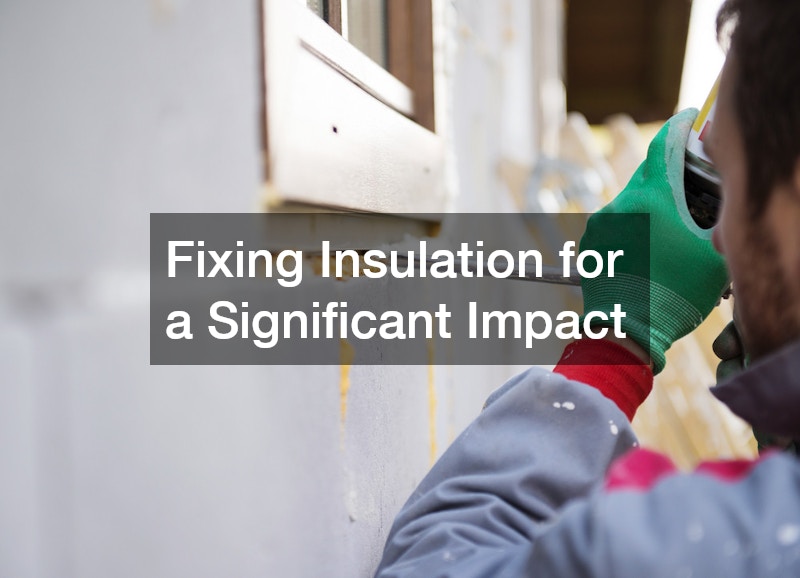
Insulation is one of the most impactful upgrades for energy efficiency. Heat escapes through walls, floors, and ceilings when insulation is inadequate, forcing HVAC systems to work overtime. Using thermal insulation covers on water heaters, pipes, and other heat-sensitive areas is a straightforward way to conserve energy and maintain consistent temperatures.
In addition to insulation covers, sealing gaps around windows, doors, and vents prevents drafts and reduces heating and cooling demands. Even small upgrades, like weatherstripping or insulating electrical outlets, contribute to overall efficiency. Thermal insulation improvements keep warm air inside during winter and cool air inside during summer, creating a more comfortable home environment.
Investing in proper insulation also protects the home against moisture and temperature fluctuations, which can affect building materials and interior finishes. By prioritizing insulation fixes, homeowners gain both immediate and long-term energy savings while enhancing comfort.
Improving Windows and Screens to Keep Homes Energy-Smart
Windows and screens are critical for regulating indoor temperature. Torn screens, broken seals, or poorly fitted windows allow heat transfer, drafts, and energy loss. Engaging a local screen repair company can restore window function, improve ventilation, and support better energy efficiency throughout your home.
Repairs might include patching screens, resealing frames, or replacing damaged panes. These improvements prevent unwanted air infiltration and improve the performance of heating and cooling systems. Even minor fixes reduce energy consumption and maintain consistent indoor comfort.
Pairing screen repair with additional measures, such as using window treatments, insulating films, or weatherstripping, enhances overall effectiveness. Maintaining windows and screens is a simple yet impactful step toward energy efficiency that benefits both your utility bills and long-term home comfort.
Simple energy efficiency upgrades are accessible, cost-effective, and highly impactful. By addressing routine maintenance, strategic repairs, and minor improvements across key areas like plumbing, electrical systems, insulation, and water management, homeowners can significantly reduce energy waste. Each step plays a role in creating a home that functions smarter and consumes less energy.
Over time, these small actions add up to meaningful savings on utility bills, improved comfort, and a healthier, more sustainable living environment. Energy efficiency isn’t about one large project; it’s about adopting practical solutions that make your home more reliable, sustainable, and cost-effective. By implementing these upgrades today, you invest in a safer, more comfortable, and energy-conscious home for years to come.
Beyond the personal benefits of lower energy bills and enhanced comfort, improving your home’s efficiency also contributes to a more sustainable community. When homeowners make conscious choices to reduce waste and energy use, the collective impact supports local ecosystems, eases strain on public utilities, and promotes environmental responsibility. Partnering with skilled local service providers, from roofers and plumbers to insulation specialists, ensures that each upgrade is tailored to your home’s needs while also supporting the local economy. Investing in efficiency isn’t just about creating a smarter home: it’s about building a more resilient, energy-aware community for the future.